Sunday, February 27, 2011
Friday, February 18, 2011
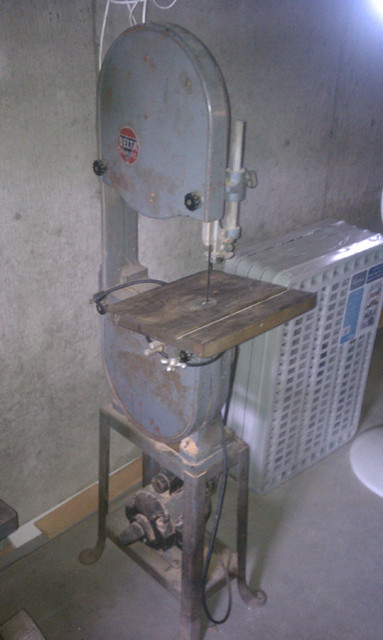
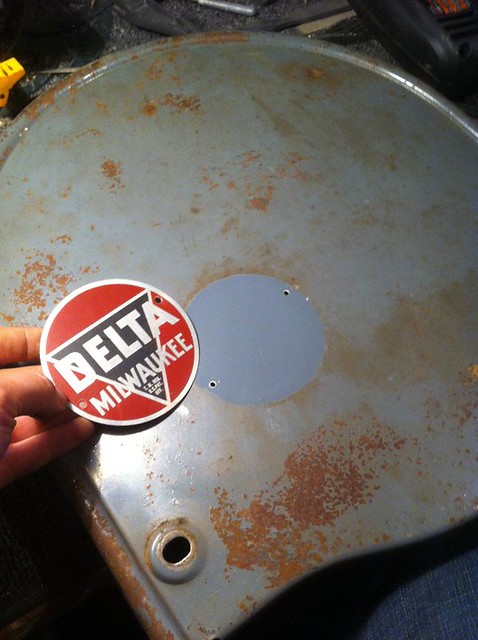
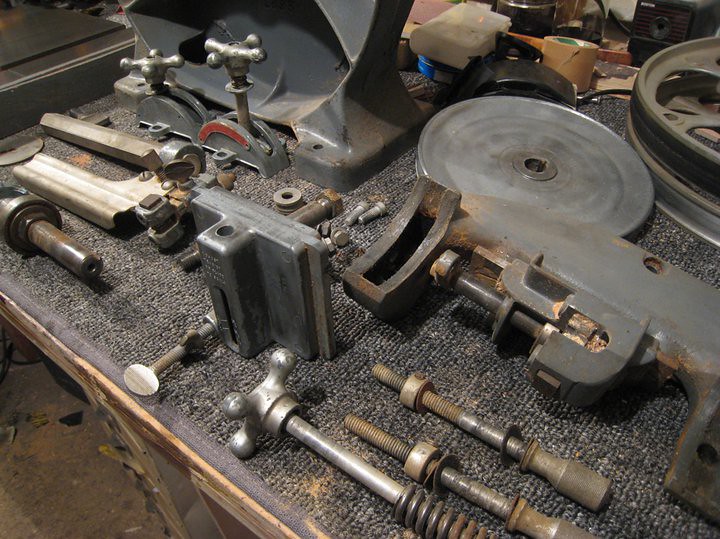
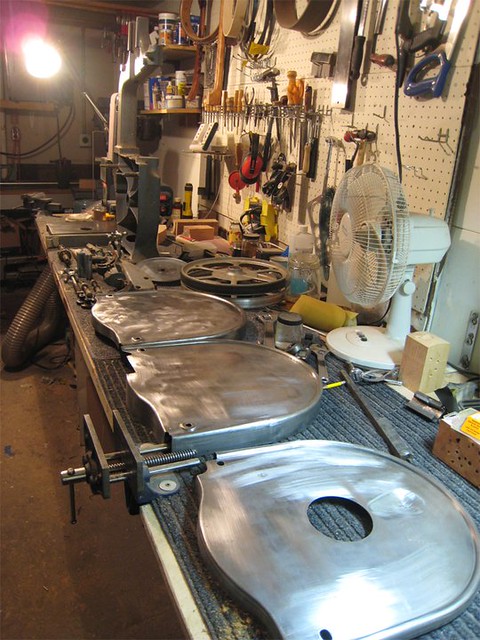
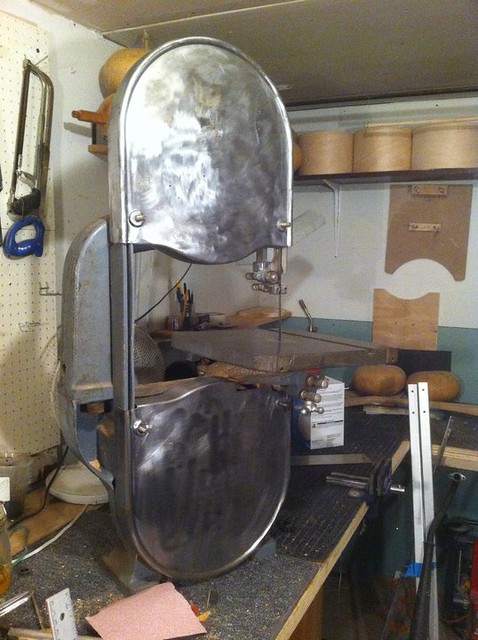
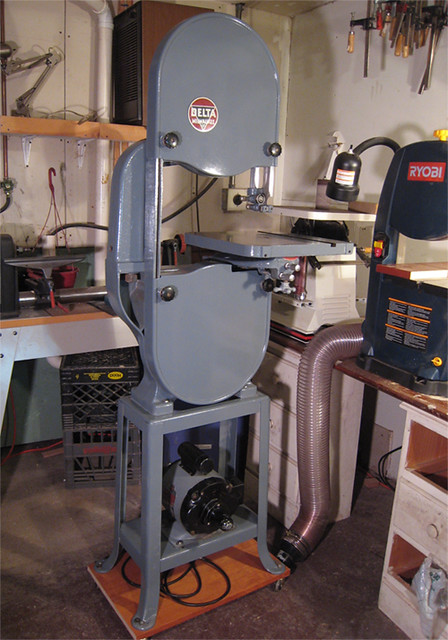
Things have been busy as always in the shop. On of my most often-used tools, my band saw, died on me. I had been using a cheap Chinese saw for quite some time, and finally decided to move forward. And by forward I mean, as usual, backwards--a couple weeks ago I was able to pick up a Delta 14" drill press and band saw, both from 1947, both manufactured in the USA, and both made out of 100% real metal (not pot metal, not plastic). The band saw required extensive restoration, including all new bearings, tires, wheel shims, rust removal, paint, etc. The drill press was more or less ready to go.
Here are some before-and-after of the restoration process


The website might be a little screwy going forward. I just suffered a complete hard drive meltdown, and hadn't been backing up as vigilantly as I should have been. Lesson learned. Back up and running now, and back in the shop working on banjos again.
Here are some before-and-after of the restoration process
The website might be a little screwy going forward. I just suffered a complete hard drive meltdown, and hadn't been backing up as vigilantly as I should have been. Lesson learned. Back up and running now, and back in the shop working on banjos again.
Thursday, January 13, 2011
Monday, January 10, 2011
Friday, January 07, 2011
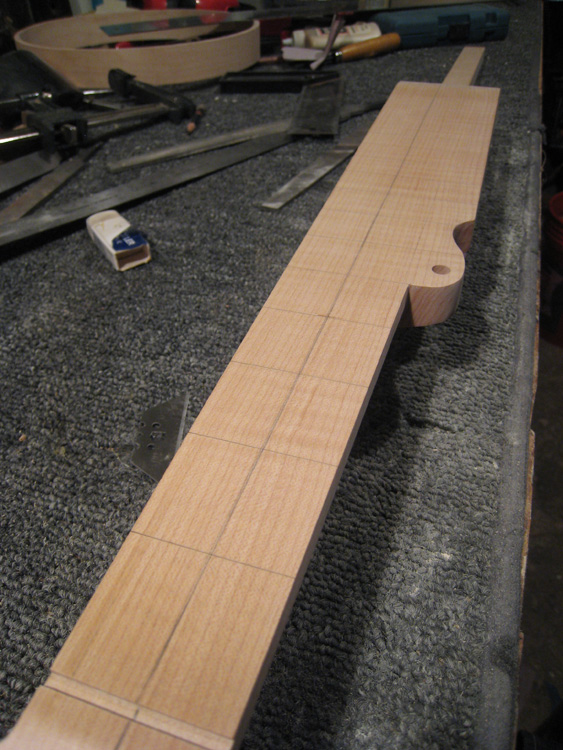
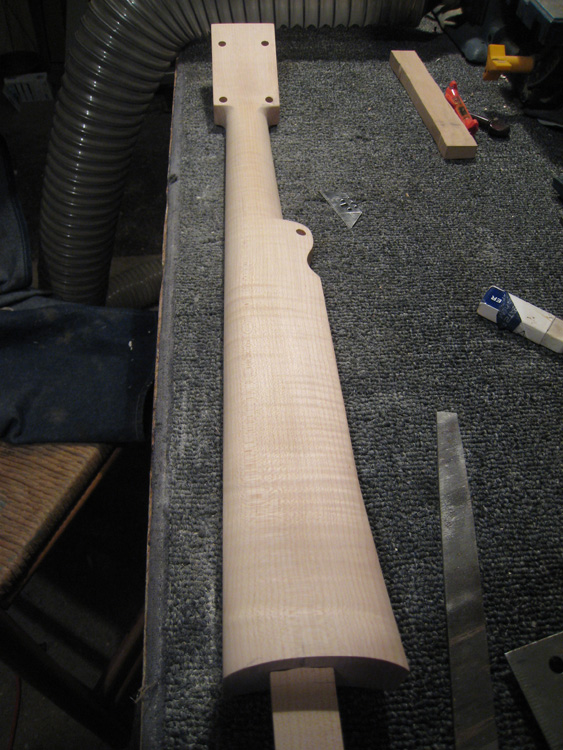
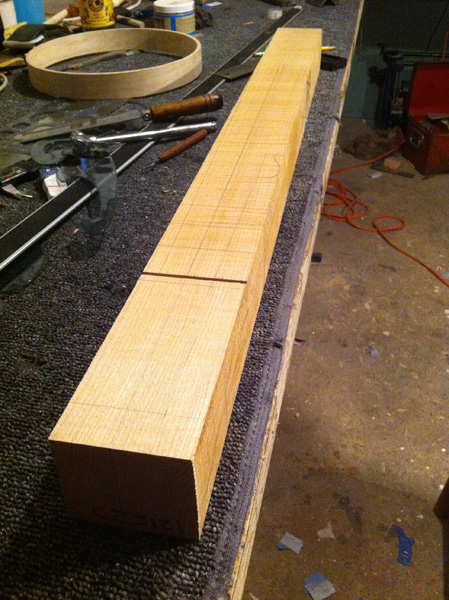
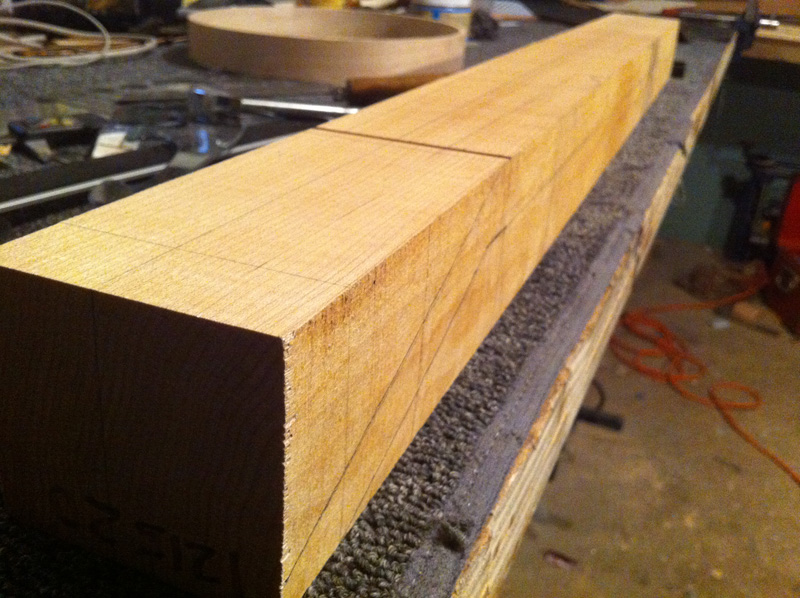
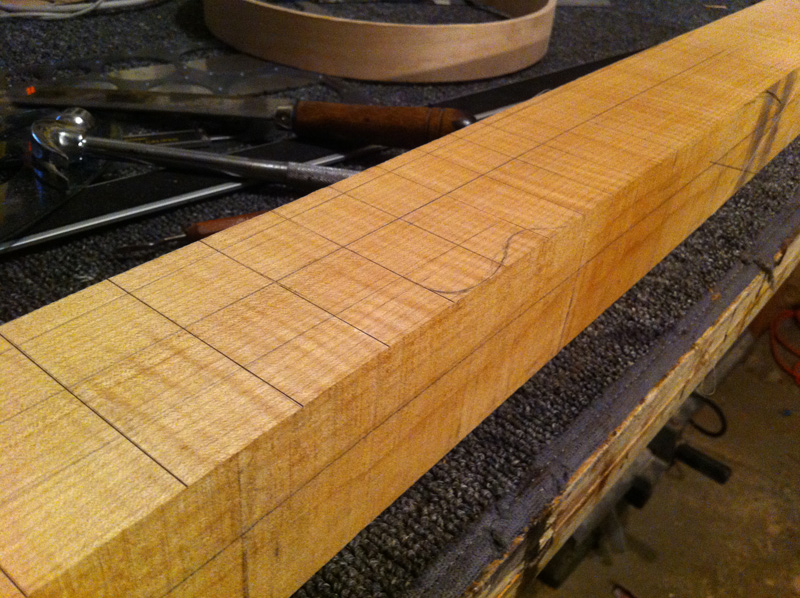
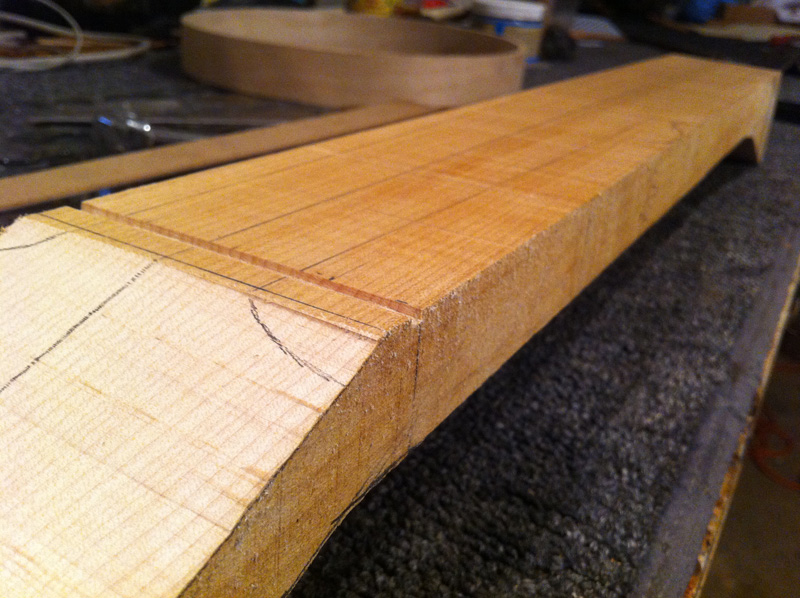
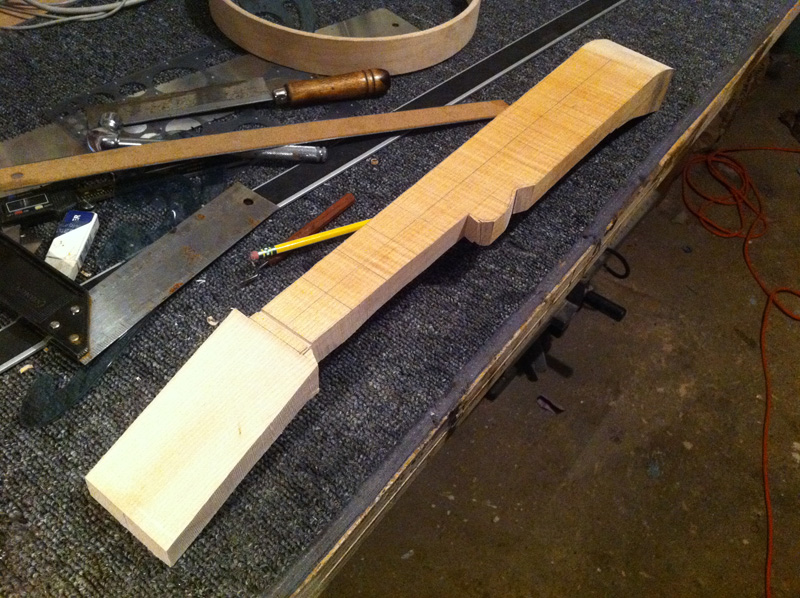
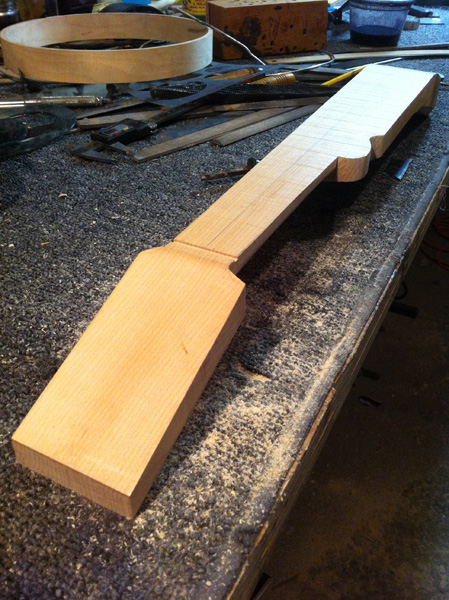
In June of 2010 a major storm passed through Northern Indiana. It felled trees and power lines and caused significant property damage. On one 20-acre lot over 60 trees of various species were felled by strong winds, including cherry, ash, maple, and walnut trees. One of the mills I work with handled the clean up of that lot. Rather than chipping the trees or cutting them into firewood, the logs were sawn and kiln dried, producing thousands of board feet of beautiful, high-quality lumber. My latest shipment of ash and cherry neck blanks were just a few of the many pieces of lumber that came out of that.
Monday, January 03, 2011
Tuesday, December 28, 2010
Work in the shop has been slow but steady of late. I've been on a little string of bad luck lately--a couple weeks ago I was in a bike accident on my way to work and hurt my shoulder, which made banjo work difficult, and I've been pretty ill for the past few days, so had to miss more opportunities to work. But fear not, if you have a banjo on order, I am working on it right now, and making quick progress!
Monday, December 27, 2010
Saturday, December 25, 2010
Wednesday, December 15, 2010
Saturday, December 11, 2010
Wednesday, November 24, 2010
Wednesday, September 29, 2010
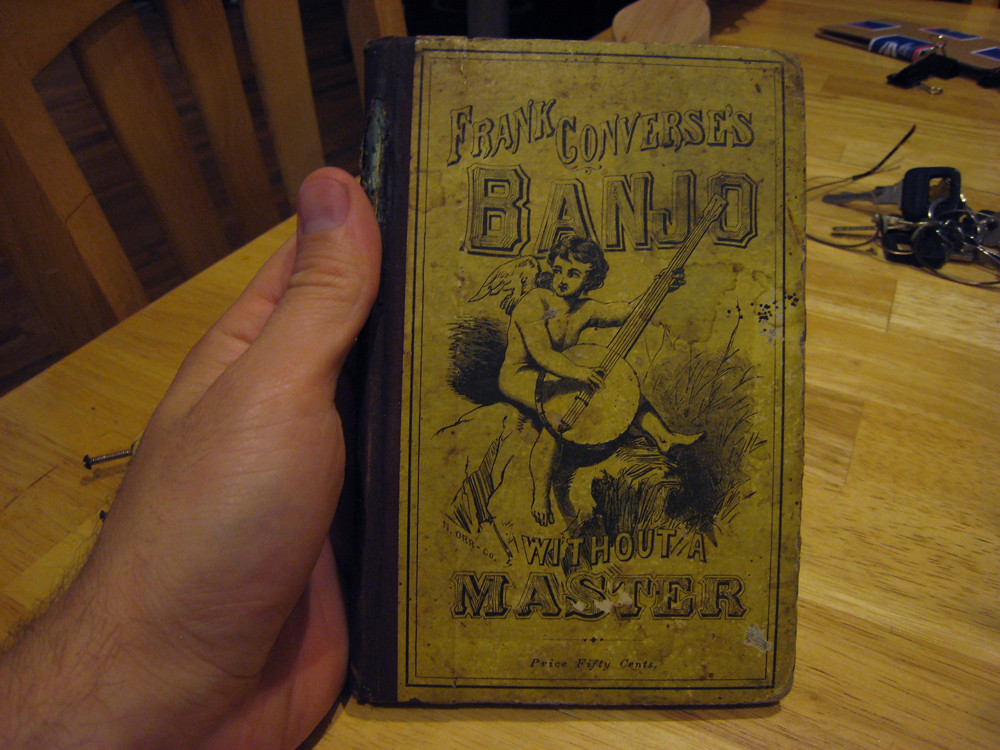
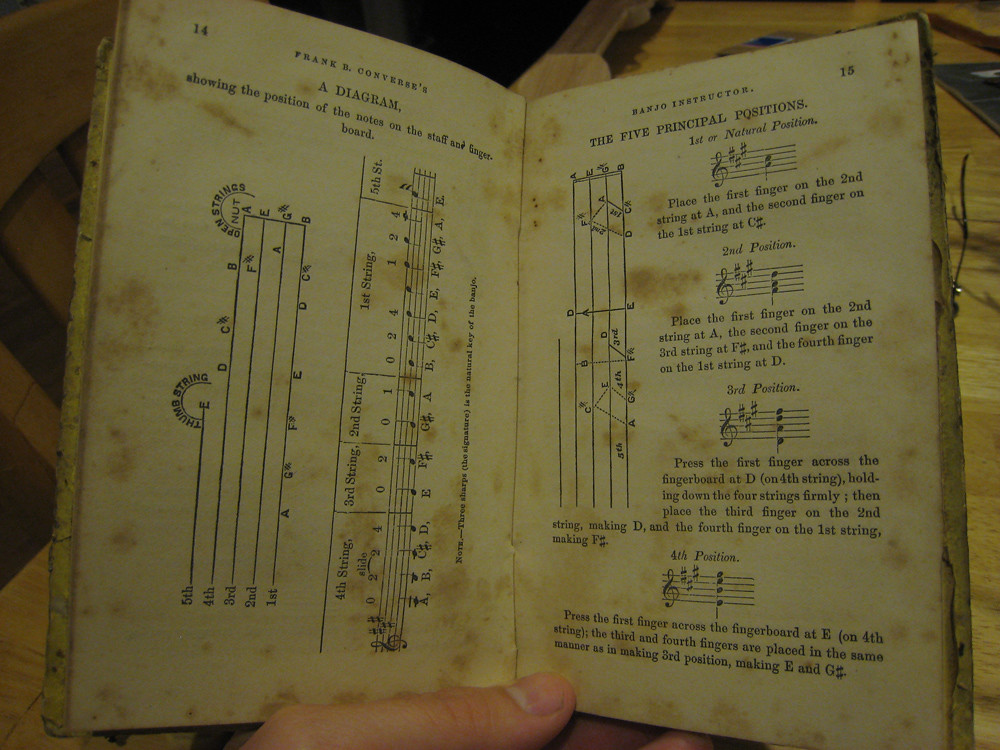
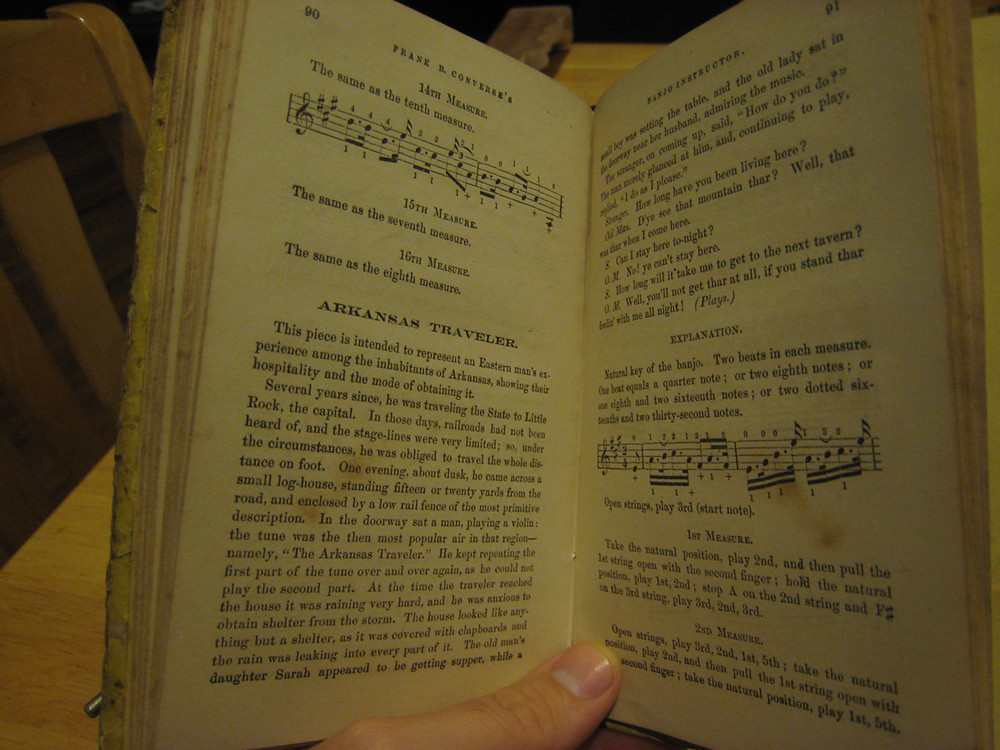
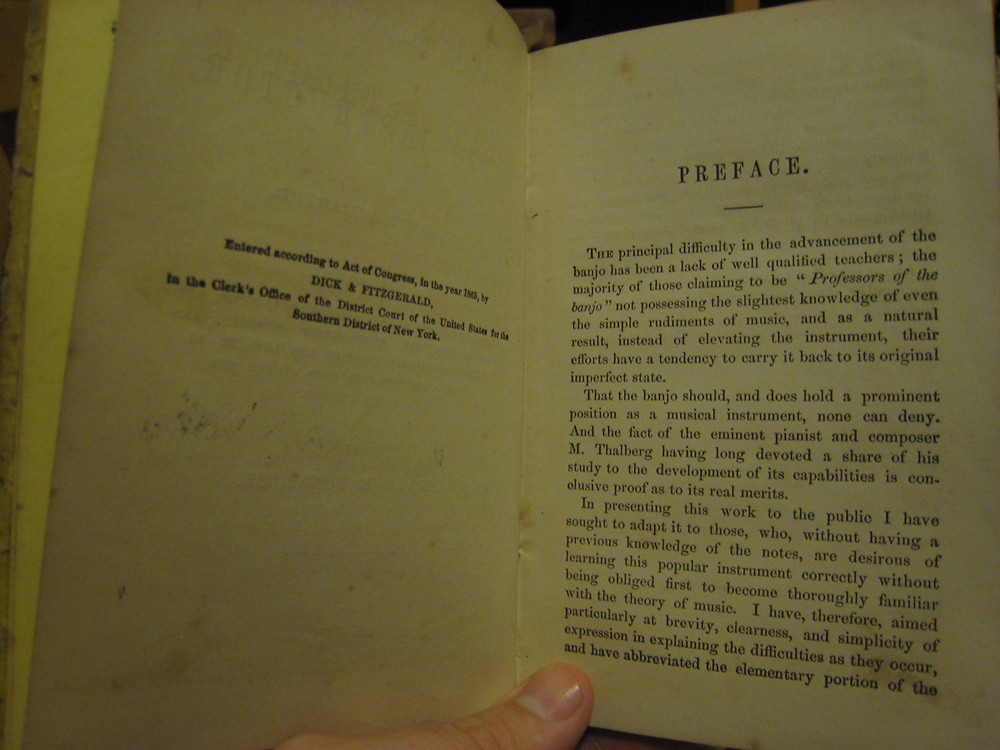
I recently had the good fortune to pick up an original edition of Frank Converse's Banjo without a master. Authored by Converse, then a renowned banjo player and performer, this nice little book, published in 1865, represents one of the earliest popularly available banjo tutors. It contains an extensive slice of the minstrel repertoire, with highly detailed, measure-by-measure instructions on how to play each tune.


Sunday, August 29, 2010
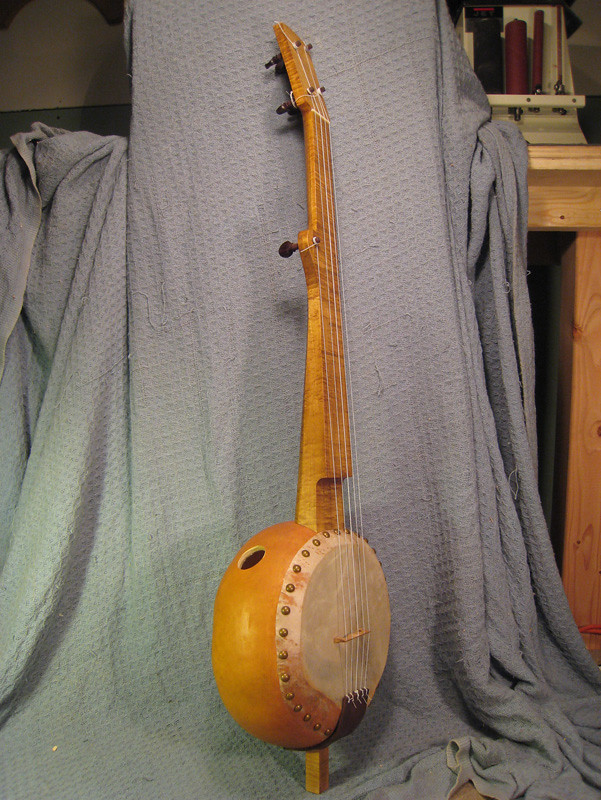
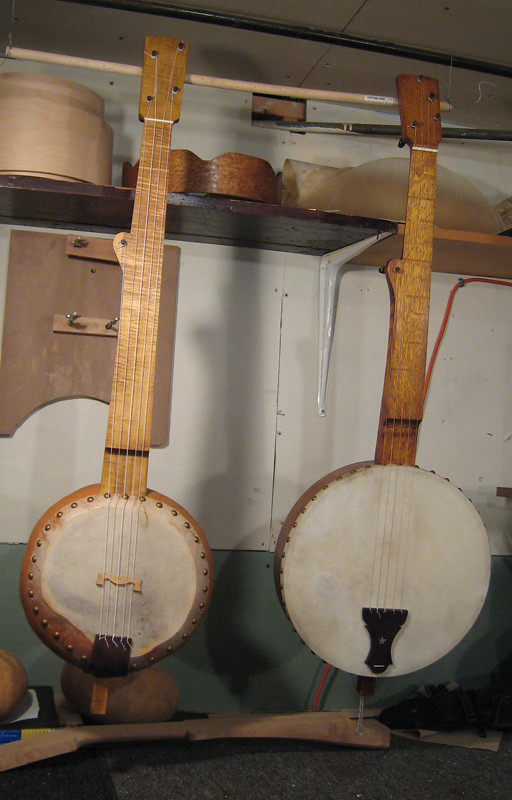
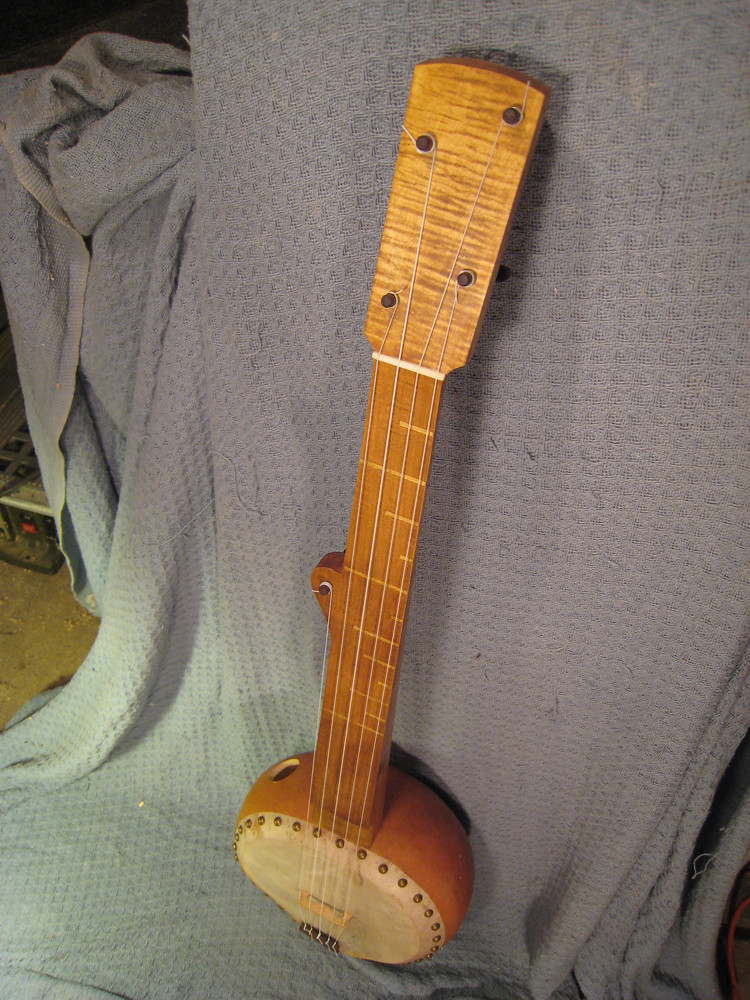
Well, I have just about finished Lloyd's giant gourd banjo. After stringing it up and playing it this evening, which concludes several weeks of work, I think I can safely say that it is the finest sounding gourd banjo I have yet produced. Of course, I think that to be the case every time I finish any banjo, but it seems particularly true at the moment.

There are certain key structural differences that are working together to give this banjo a massive, deep, and full-blasting growl of a tone. First, the size. Lloyd wanted the neck to have a 28" scale to match the giant 14" pot tackhead I keep at home. Longer scale necessitates higher string tension, the end product of which is greater sustain and a richer (in my opinion) tone.

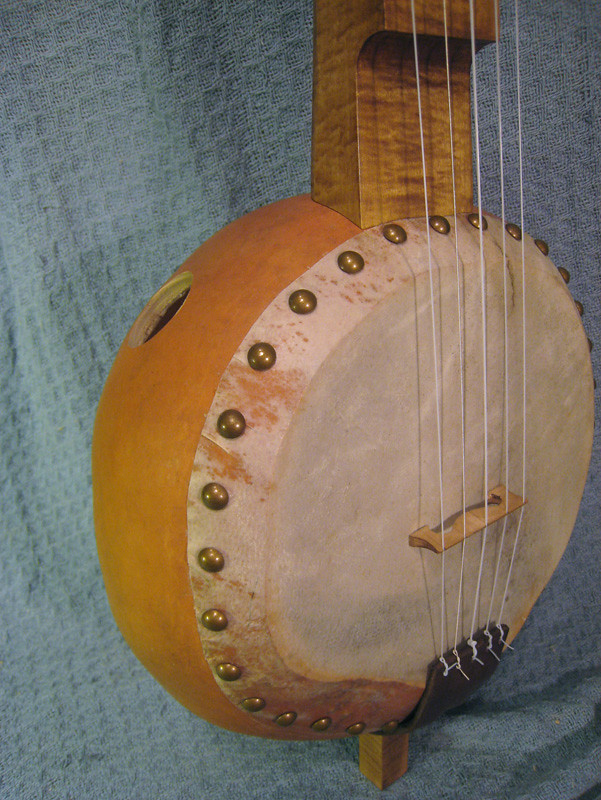
Second: the gourd. The gourd I used for this project came from Paul Sedgewick's shop. In the first place, it is gigantic, being about 13 inches in diameter. Another interesting thing is that it is also very thin. So thin, in fact, that I had to reinforce it with an epoxy resin. The resin coated the interior of the gourd, creating what is essentially one big resonator. Frequencies that would have been previously absorbed by the sound-deadening, soft, rough interior of the gourd are now projected with great clarity.
There are certain key structural differences that are working together to give this banjo a massive, deep, and full-blasting growl of a tone. First, the size. Lloyd wanted the neck to have a 28" scale to match the giant 14" pot tackhead I keep at home. Longer scale necessitates higher string tension, the end product of which is greater sustain and a richer (in my opinion) tone.
Second: the gourd. The gourd I used for this project came from Paul Sedgewick's shop. In the first place, it is gigantic, being about 13 inches in diameter. Another interesting thing is that it is also very thin. So thin, in fact, that I had to reinforce it with an epoxy resin. The resin coated the interior of the gourd, creating what is essentially one big resonator. Frequencies that would have been previously absorbed by the sound-deadening, soft, rough interior of the gourd are now projected with great clarity.
Subscribe to:
Posts (Atom)